Nature and Concrete in Harmony
It’s 2018. I am a Women of the World Festival speaker, and I have just arrived in Rio after fourteen hours of travel. It’s my first time here. The weather is sunny and breezy. The city has hills among buildings old concrete beside new. There is a beach, and there is my hotel, positioned right next to a main road that connects me to shops, cafés, and restaurants.
In Rio, hills, trees, and concrete exist in perfect harmony. They collaborate, making each other look better. I am smitten by the beauty of the people. The women’s fashion, casual, laid-back, effortless mirrors the beach life it belongs to. But when I say beauty, I also mean the man I saw earlier on a skateboard, balancing a toddler in one arm. I almost ignore the abs visible through his open, buttoned-down shirt. This might be the coolest thing I have ever seen. And he might just be on his way to buy bread.
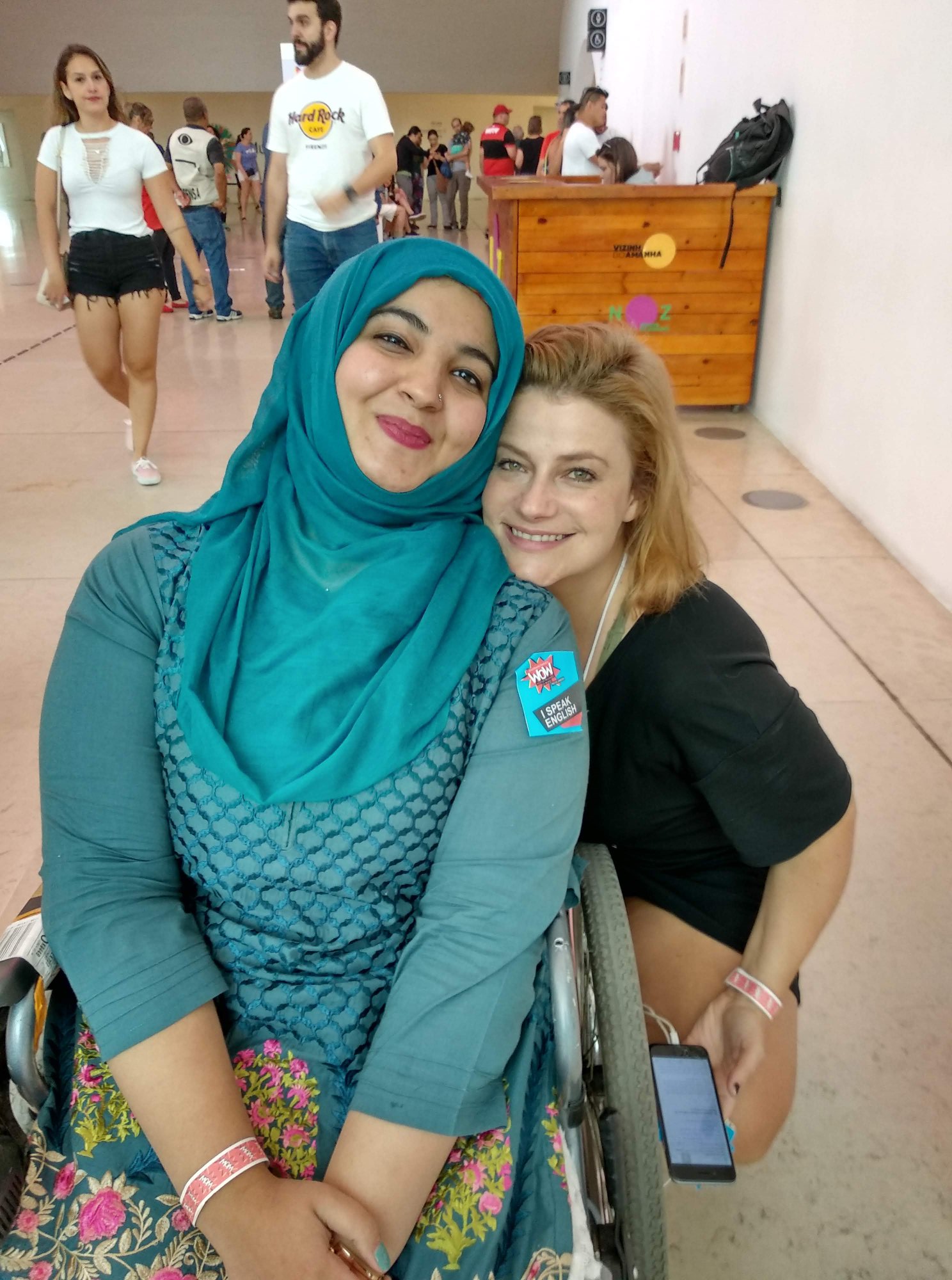
The next few days are all about watermelon and papaya for breakfast, followed by black coffee, followed by sessions that bring women’s stories to the surface. Technology helps as we wear translation headsets that move us from Portuguese to English. There are selfies, conversations, laughter. The speakers are experts in their fields, in their passion, in their pain and their plan. But what is more remarkable is the audience. Those who came to listen to us gave us words of appreciation, love and connection.
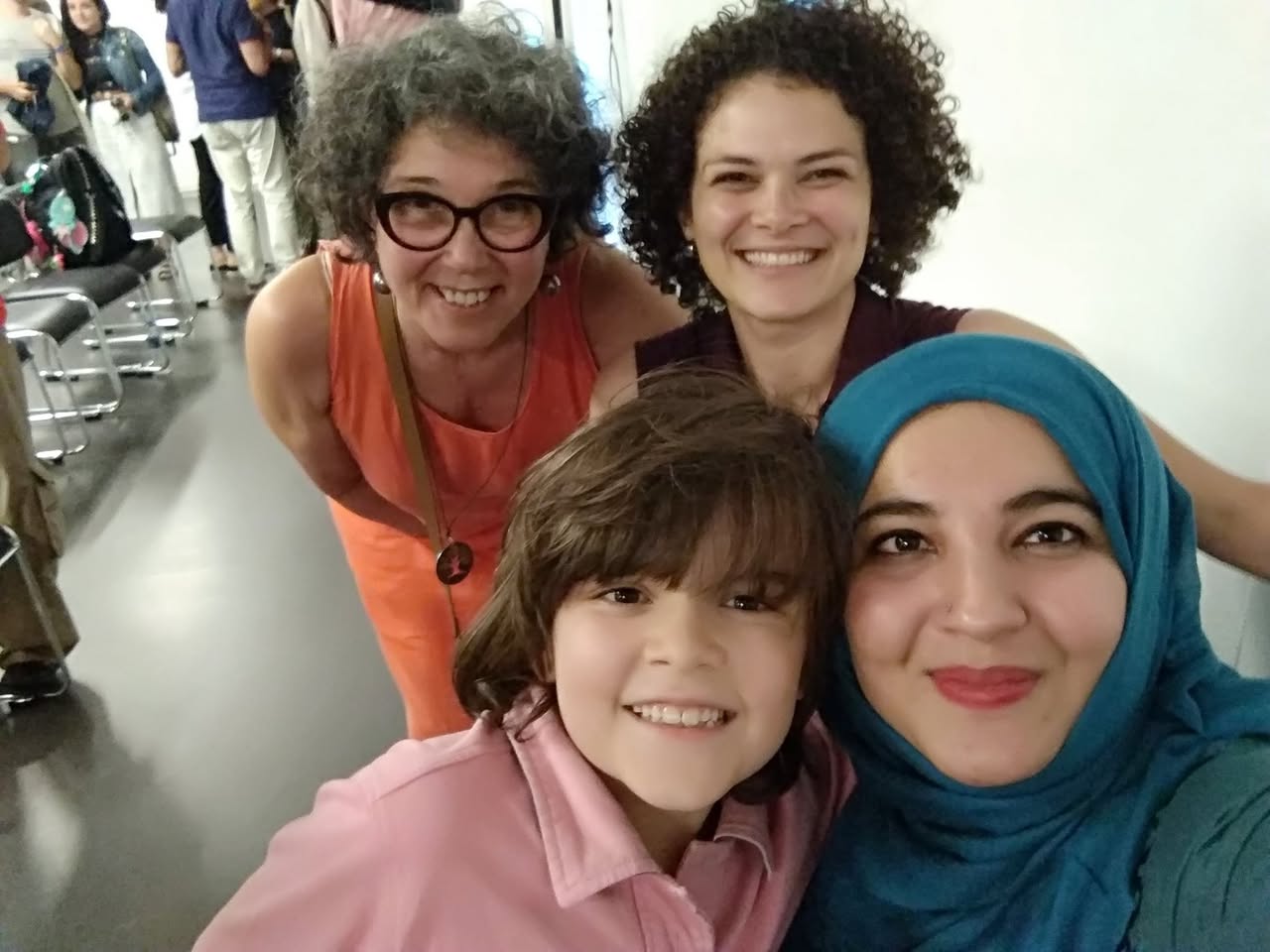
A young boy came to hug me after my session. He came to the festival with his mum and grandmother. (A feminist in the making?). He probably didn’t understand much of the context of my words but understood enough to come say Hi!
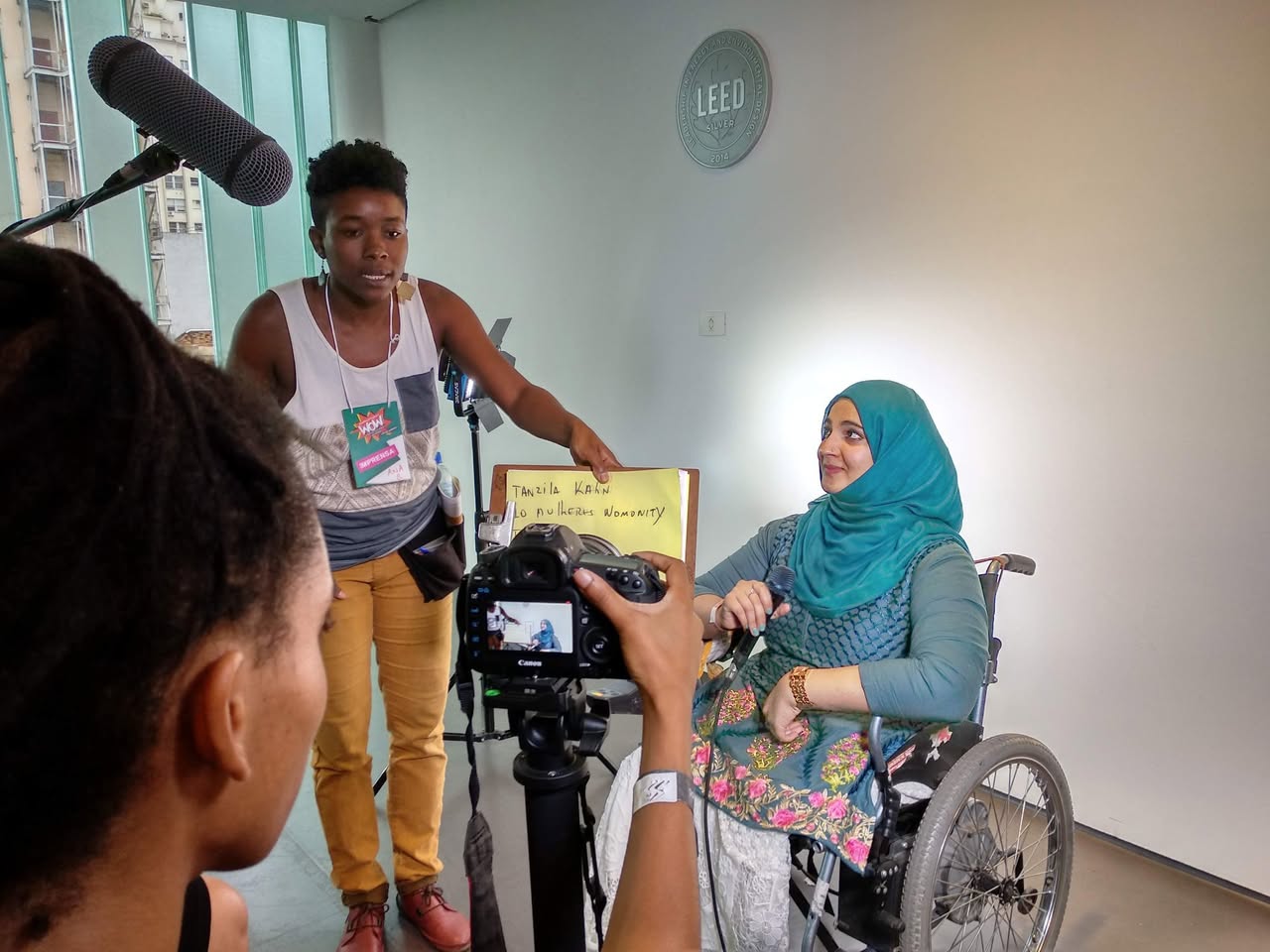
I am pulled into corners to record statements and testimonials for the festival, and I find myself distracted by the hairstyles, tattoos, and tank tops of the producers. I forget my lines.
“Anyone can be Brazilian,” Maria tells me when she senses my curiosity about the country’s diversity.
Maria is my festival host. She makes sure I move around safely, that I eat well, that I see more than just the stage. Her sentence settles in me immediately. It makes me feel at home.
Under the Knife
My most significant panel is the one where I speak about growing up with a disability in Pakistan, about undergoing surgery on my legs in the United States when I am eight years old, and about how these experiences shape me into an activist.
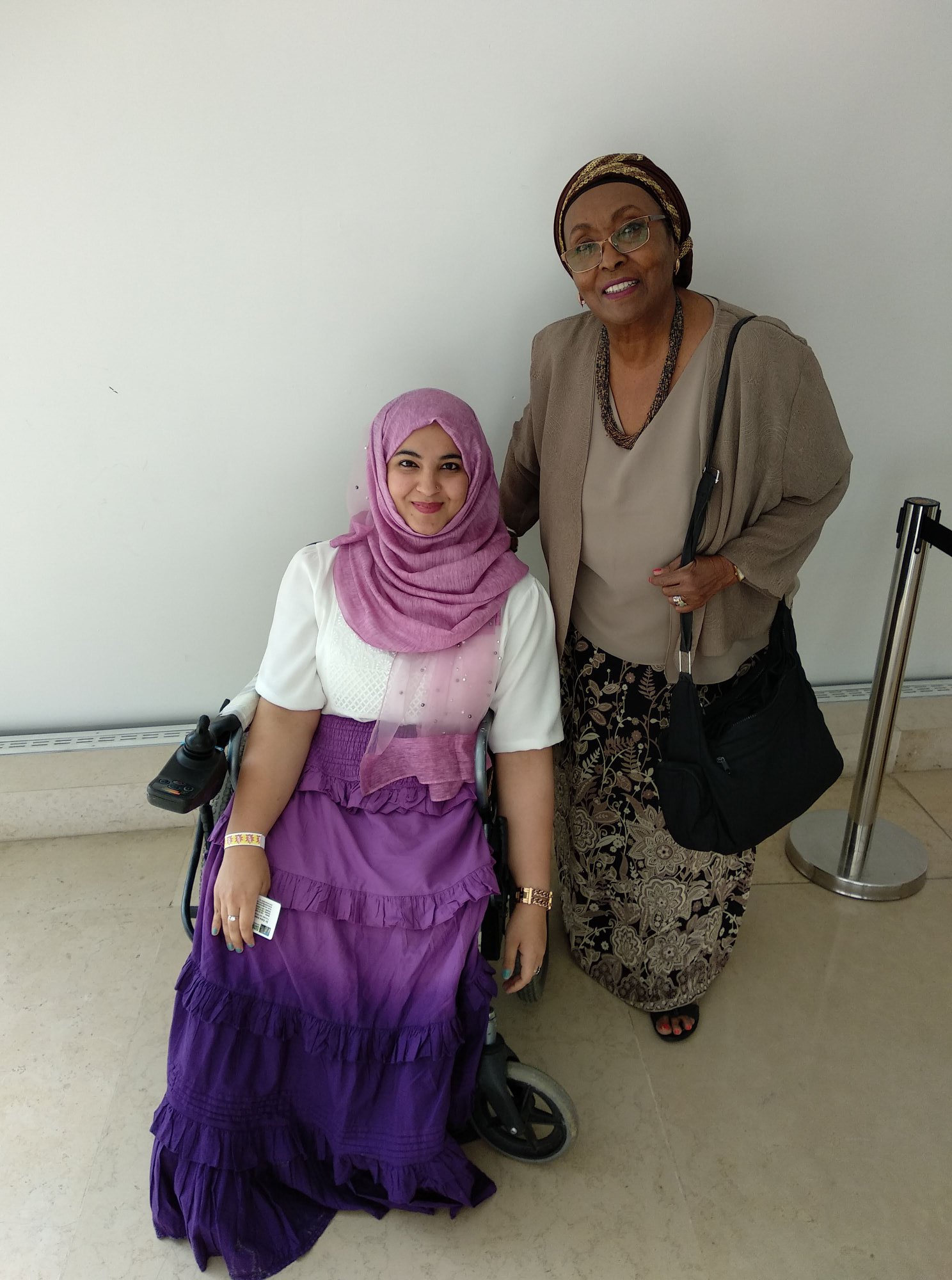
My co-panelist is Edna Ismail—a midwife, former First Lady of Somaliland, a leader, a badass. She speaks about her work in healthcare and about undergoing FGM (Female genital mutilation) at the age of eight. I take in every word of hers, her pain, her legacy.
We have both been under the knife at eight years old—but for very different reasons.
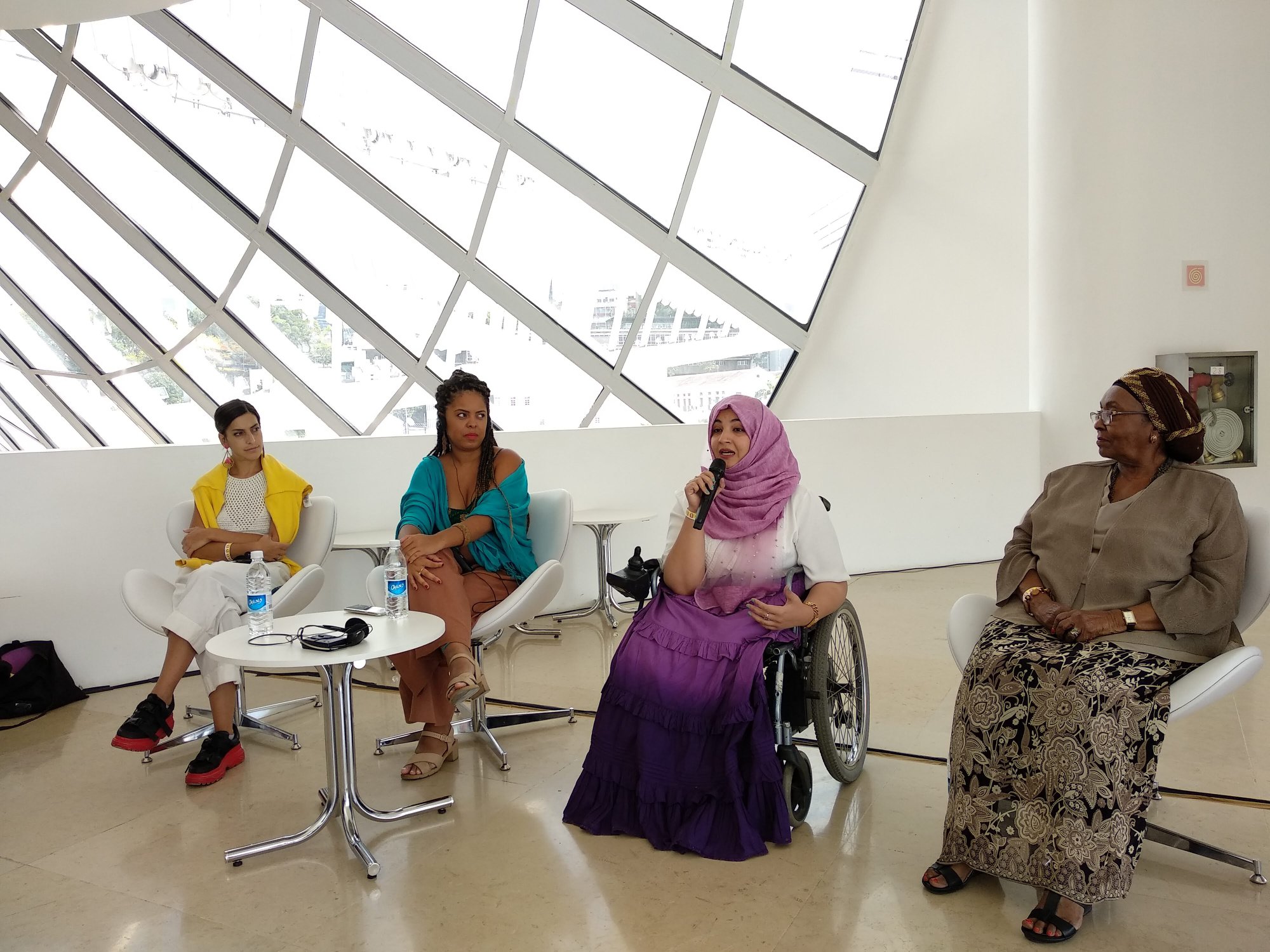
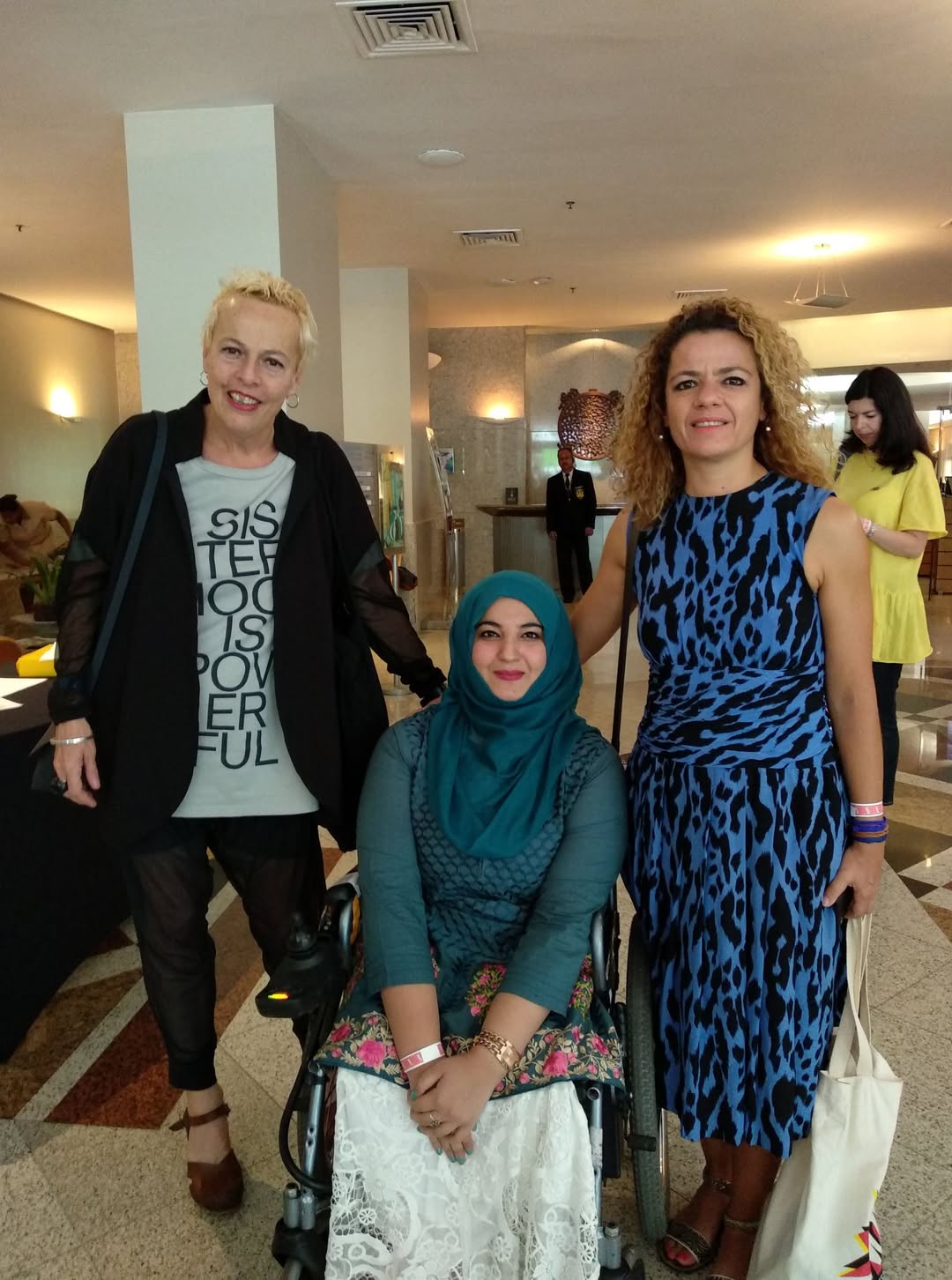
With us is Moon Ribas, who introduces herself as a cyborg. She has seismic sensors embedded in her feet that allow her to feel earthquakes through vibrations. She creates choreography from these sensations, drawing connections between the movement of the earth and those who walk upon it.
I am fascinated. Where do I sign up?
Then I remember. I don’t have legs.
I add “being a cyborg” to my ongoing list titled Things I Would Have Done If I Had Legs. The list already includes wearing bell-bottoms and tap dancing. There is no harm in imagination.
Other speakers include Marina Marçal, a Brazilian climate policy specialist, and Nilcemar Nogueira, a cultural leader and advocate deeply rooted in Rio’s Afro-Brazilian heritage and Samba.
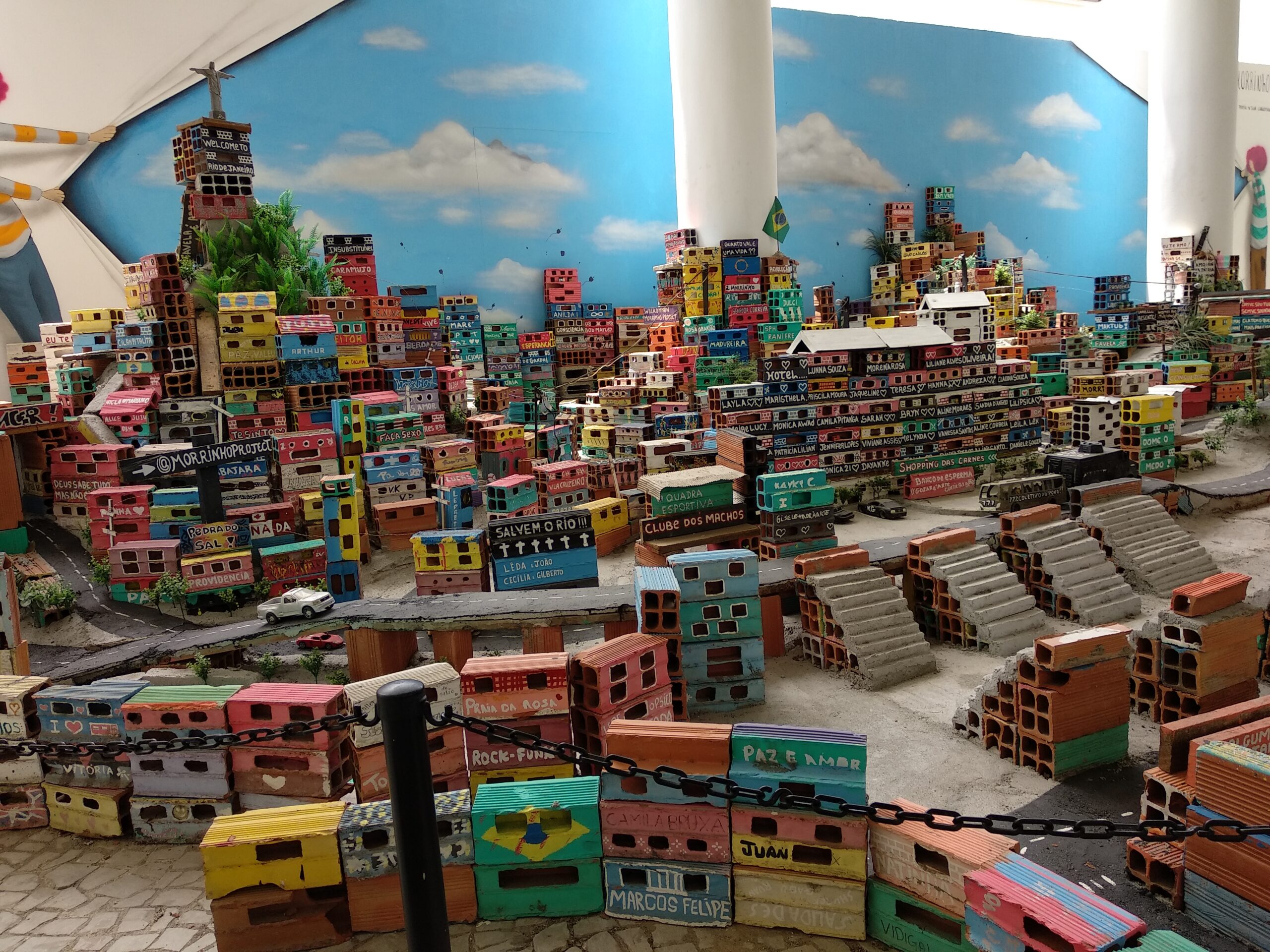
Favelas
I keep hearing about a place called the favelas, described repeatedly as dangerous, somewhere no one should go without a local. I hear a story about a footballer who plays so well she is invited to train in the United States, only to face discrimination there by other Brazillians because she comes from the favelas.
I struggle with the word dangerous. I cannot reduce a place to that label when people are living there, families, children, elders, shopkeepers, teachers. Violence and criminal activity can exist in a neighborhood and still not define its entirety. Something must be done about crime but erasure is not a solution.
I think this way because Pakistan is also branded as “dangerous” by the media, and it is just as misleading as calling all mushrooms poisonous.
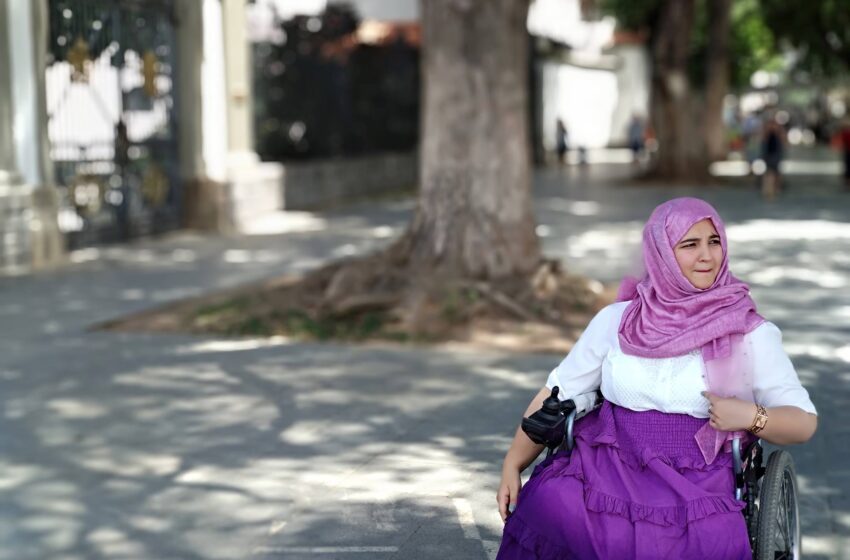
Later, as part of the festival, I visit the favelas. I see homes stacked into hills, schools, tuck shops, painted walls and heavy rain. When I meet women there, language fails me. I smile. I speak with my eyes. I hope they understand that I am grateful to be here.
I am told that anyone on this street could be holding a gun, that gangs live here. I ask, “No one is born a gangster, what leads someone to choose this life?”
The rain makes movement difficult. My wheelchair struggles. I leave the favelas without answers.
Who Is the Mascot?
When my sessions are over, Maria takes me to the Museum of Samba. Samba is a traditional Brazilian dance performed by men, women, couples, and groups. I follow its evolution through photographs on streets, in rooms, in loud costumes, bodies caught in mid movement and mid-joy.
We stop at Sugarloaf Mountain, named after bread because someone once decided imagination matters even in the presence of a giant rock. The cable lift is accessible, scenic and touristy. From above, Rio tells its story in layers, roads interacting with skyscrapers rising beside stone, waves brushing the edges of the city like punctuation marks to end a conversation.
Still, I long to be on the streets, not observing the city but participating in it.
And once I am there, I let my palate take over.
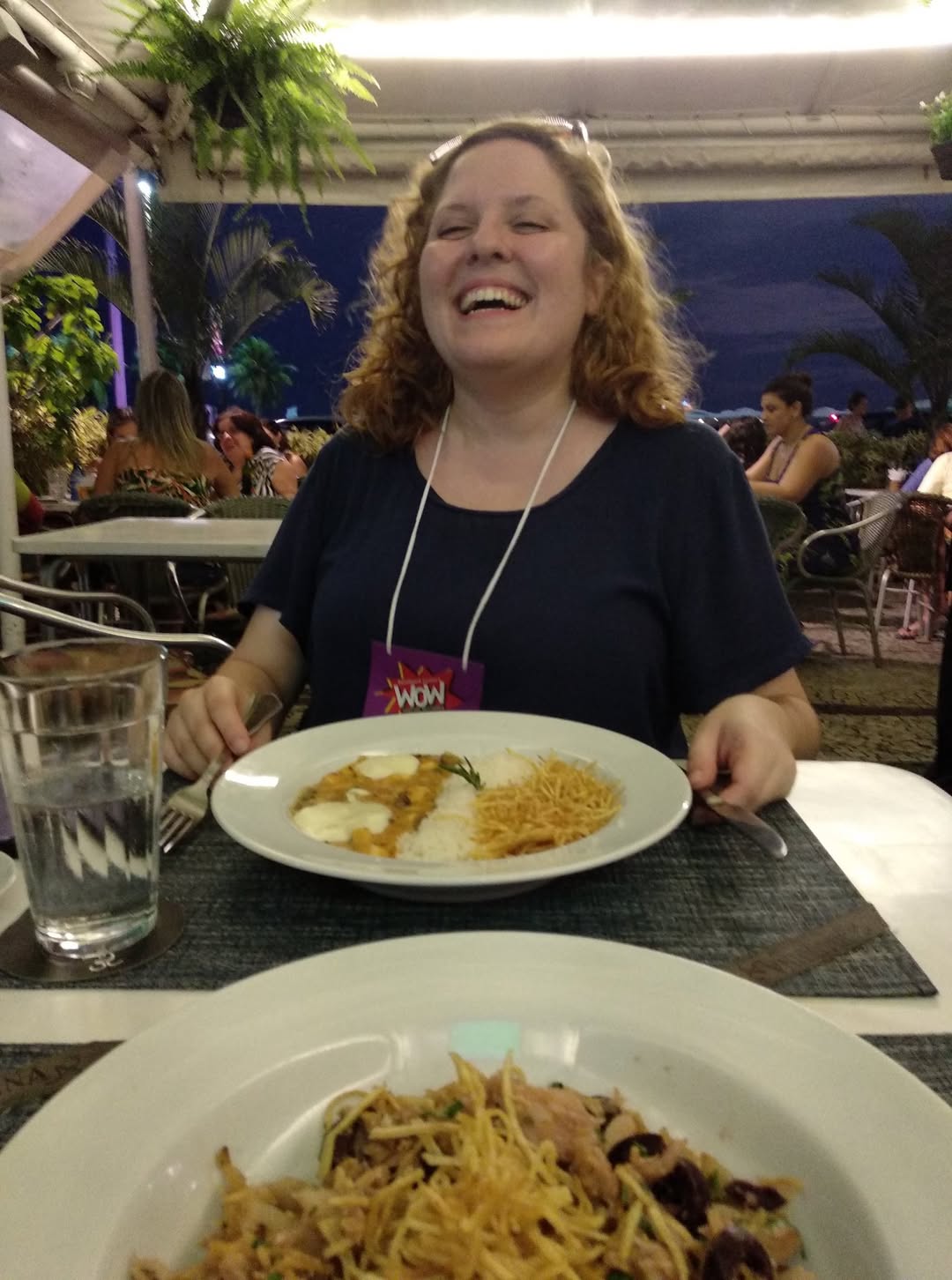
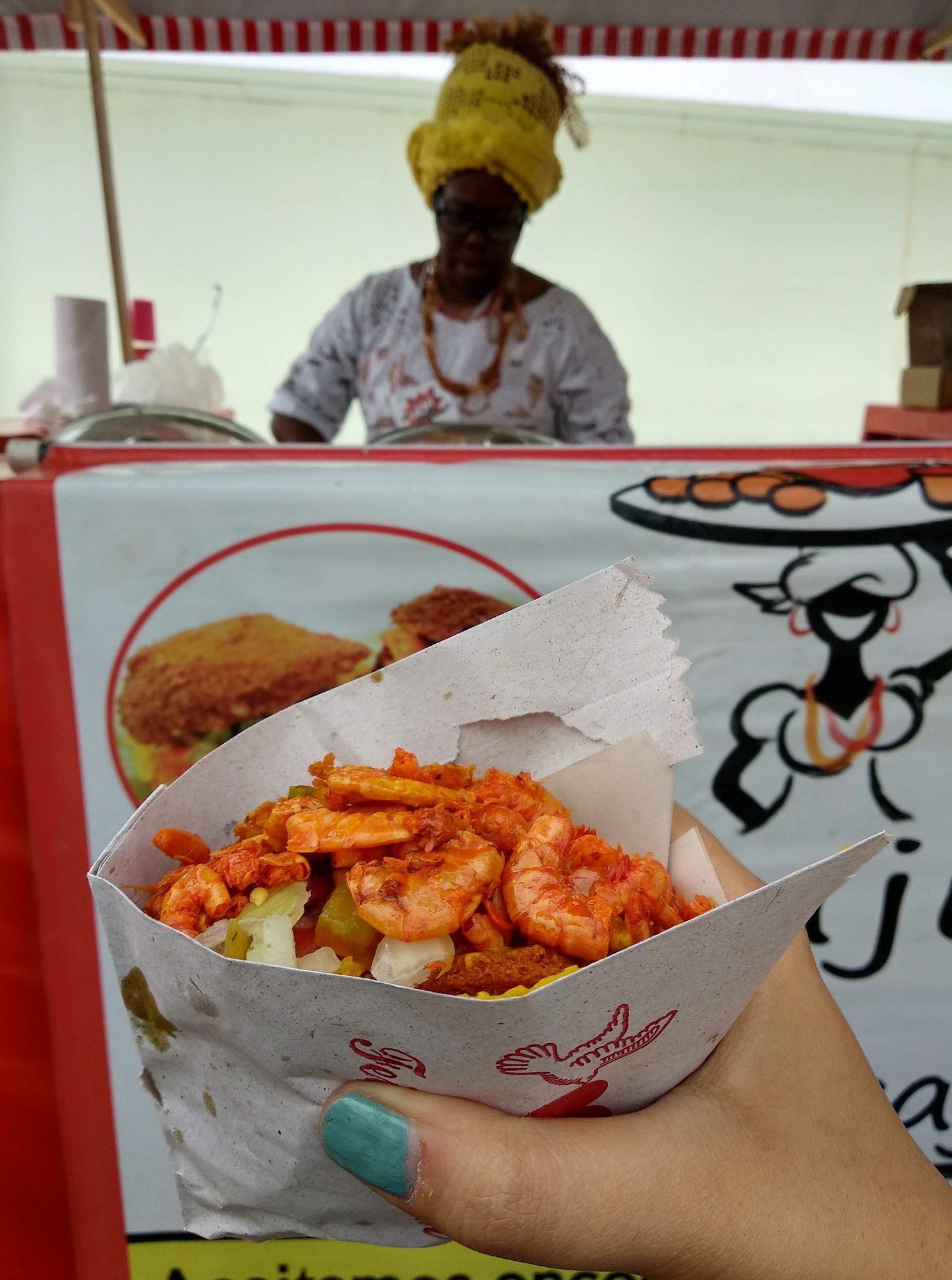
Guaraná becomes an instant favorite beverage. Sweet, fruity, tasting like lychees, it reminds me of Pakola, a drink from my childhood in Pakistan that I rarely see anymore. I eat acarajé, crispy on the outside, soft with bean paste and shrimp inside. I discover cassava, a root that tastes like a more assertive cousin of the potato. Seafood becomes my default; it is my safest halal option.
At the craft stalls, I meet a lively woman using a wheelchair. I instantly love everything about her, her clothes, her smile, her lip colour. Maria tells me she is a retired sex worker and part of the festival. I ask for a photo. She extends her arm, revealing a tattoo that reads: Eu sou puta.
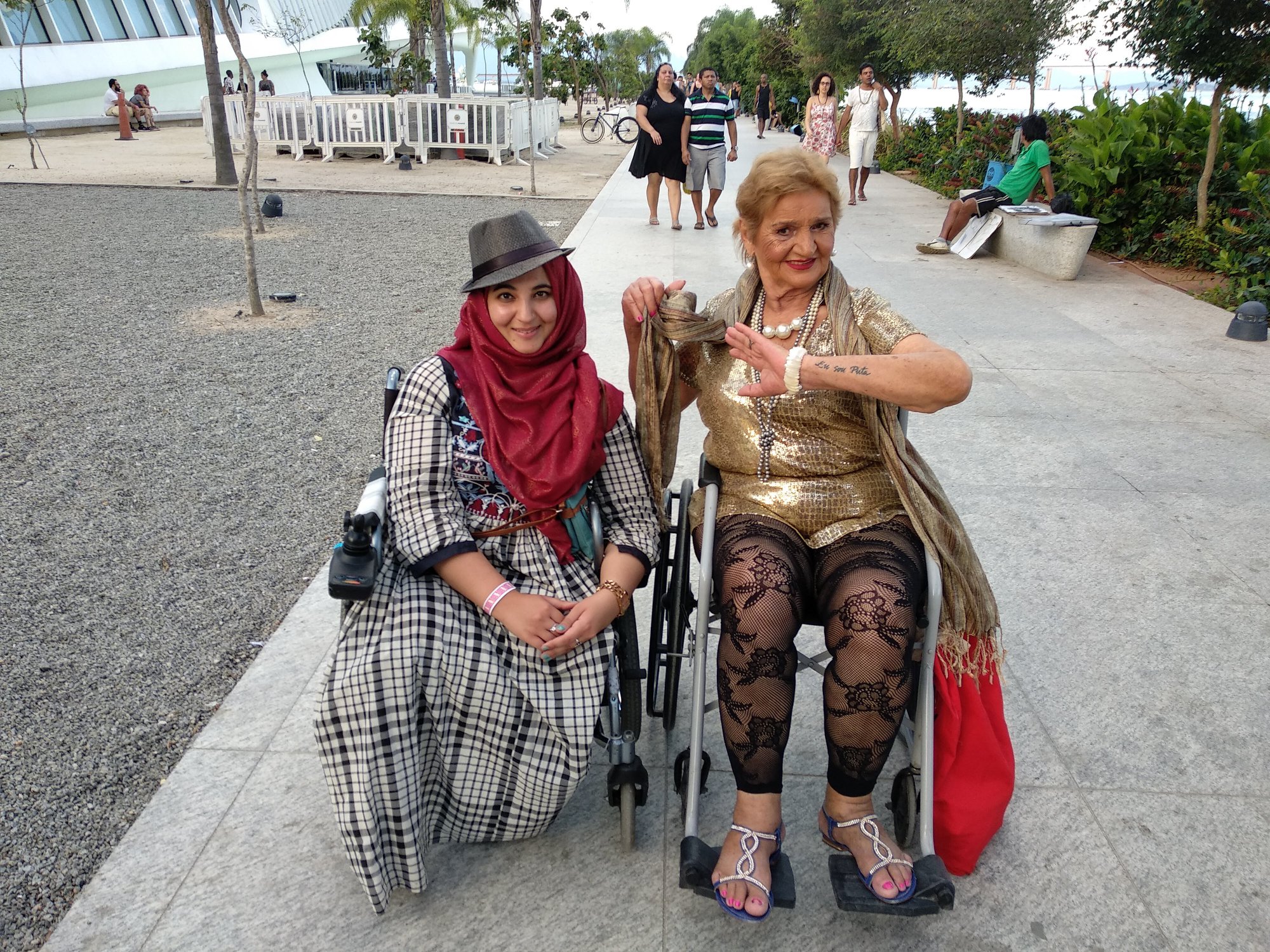
I recognize the word as an insult. I am confused but then see that on her skin, it is power. Defiance. Ownership. She has claimed the word, her body, her story and she has played this character to her best.
After I meet her, I sense that this whole time people have stopped and started at me and have even asked for a photo beyond the festival.
“They have never seen someone in a headscarf before so they are curious about you,” Maria laughs. “It’s very, very rare.”
“So they think I am a mascot?” I laugh and ask her.
I pose for photos and realize we all carry a story, a character beyond festivals, auditoriums and panels. Maybe we are all mascots. We arrive in unfamiliar places carrying our histories on our bodies, our clothes, our accents, our scars. We are read before we are heard. Misunderstood before we are known until someone breaks that barrier, speaks to us, hugs and asks for that photo to become a memory later.
Rio gives me many stories to take with me. And in return, I leave one behind, of my culture, my faith, my fashion, my politics, my body. A story that now exists here, however briefly, woven into the ongoing collaboration of nature and concrete, of movement and stillness, of who we are and where we dare to be seen.
Rio, Brazil
(Women of the World Festival, 2018)